This website is intended for adults only. You must be 18 years or older to enter.
Short answer: Mumbai's most talked-about red light area is Kamathipura, one of Asia's oldest — but it isn't the only one. Smaller, far less documented pockets have been reported around Falkland Road, Foras Road, Grant Road, Congress House, and a handful of suburbs. This article is a factual guide to what these areas actually are, how they came to exist, and where each one stands today.
It is not a visiting guide, a booking guide, or a recommendation to go anywhere. There are no directions or addresses in this piece. Thousands of people search for this topic every month, and most of what comes up is either sensationalised or simply wrong — this is the plain version, with real history and the actual law. If you're actually after a booking guide, SelectYourGirl is the place for that — this article isn't it.
"Red light area" is an informal term, used across India, for a neighbourhood historically associated with street-level and brothel-based sex work. It isn't a legal or administrative designation — no government body officially draws a line around one. The name comes from the red lamps once used outside such establishments, a convention that predates India and shows up in cities worldwide.
The legal picture in India is more specific than most articles on this topic let on:
Under the Immoral Traffic (Prevention) Act, 1956 (ITPA), India's core law on the subject.
Worth being direct about: none of this is a comment on sex work itself. Selling sex as an independent adult, on your own terms, is legal — and for many women, it's legitimate work, no different in principle from any other service industry. Everything on the "illegal" side of that table is about control by someone else — a brothel owner, a pimp, a trafficker — not about the woman's own choice to do the work. That distinction is the whole point of this article, and it's the same distinction between what's described below and an independent, ID-verified escort working directly, on her own terms.
Mumbai was built on reclaimed land — originally seven separate islands joined together under British administration. Kamathipura grew up on part of that reclaimed ground in the late 18th century, first known as Lal Bazaar. The name it carries today comes from the Kamathis, migrant construction labourers from the Andhra region who worked on the land reclamation and settled the area.
Sex work became associated with the neighbourhood over the 19th century, largely serving sailors and soldiers passing through what was then a major colonial port. By the time it was widely known as Kamathipura, the district was organised into roughly 14 lanes, historically grouped by the region or community the women working there came from.
At its peak, generally dated to the early 1990s, estimates put the number of sex workers in Kamathipura in the tens of thousands — commonly cited around 45,000, making it one of the largest concentrations of street-level sex work in Asia at the time.
Sanjay Leela Bhansali's 2022 film Gangubai Kathiawadi dramatised the life of a real Kamathipura brothel madam, drawing on a chapter of Hussain Zaidi's book Mafia Queens of Mumbai. Photographer Mary Ellen Mark documented Falkland Road's sex workers in her 1981 book Falkland Road: Prostitutes of Bombay — still one of the most cited visual records of the area's history.
Several things happened roughly at once, from the 1990s onward, and together they explain most of Kamathipura's decline:
HIV/AIDS awareness campaigns through the 1990s and 2000s changed both public attitude and on-the-ground practice. NGO intervention — organisations including Prerana and Apne Aap Women Worldwide have worked in the area for years, focused on trafficking victims and the children of sex workers. Maharashtra's 2005 dance bar ban disrupted an adjacent trade that had overlapped with the area economically. Real estate pressure — as Mumbai property values climbed, land in a centrally located neighbourhood like Kamathipura became far more valuable redeveloped than left as it was. And more recently, the shift to phones and messaging apps moved a large share of sex work away from visible street solicitation entirely.
By the late 2010s, on-the-ground estimates had dropped to a few hundred women still working in the area — a fraction of the historical peak. Mumbai's municipal corporation (BMC) has redevelopment plans covering a significant portion of Kamathipura's roughly 39 acres, and much of the neighbourhood today functions as ordinary low-cost housing and small manufacturing rather than the district it once was.
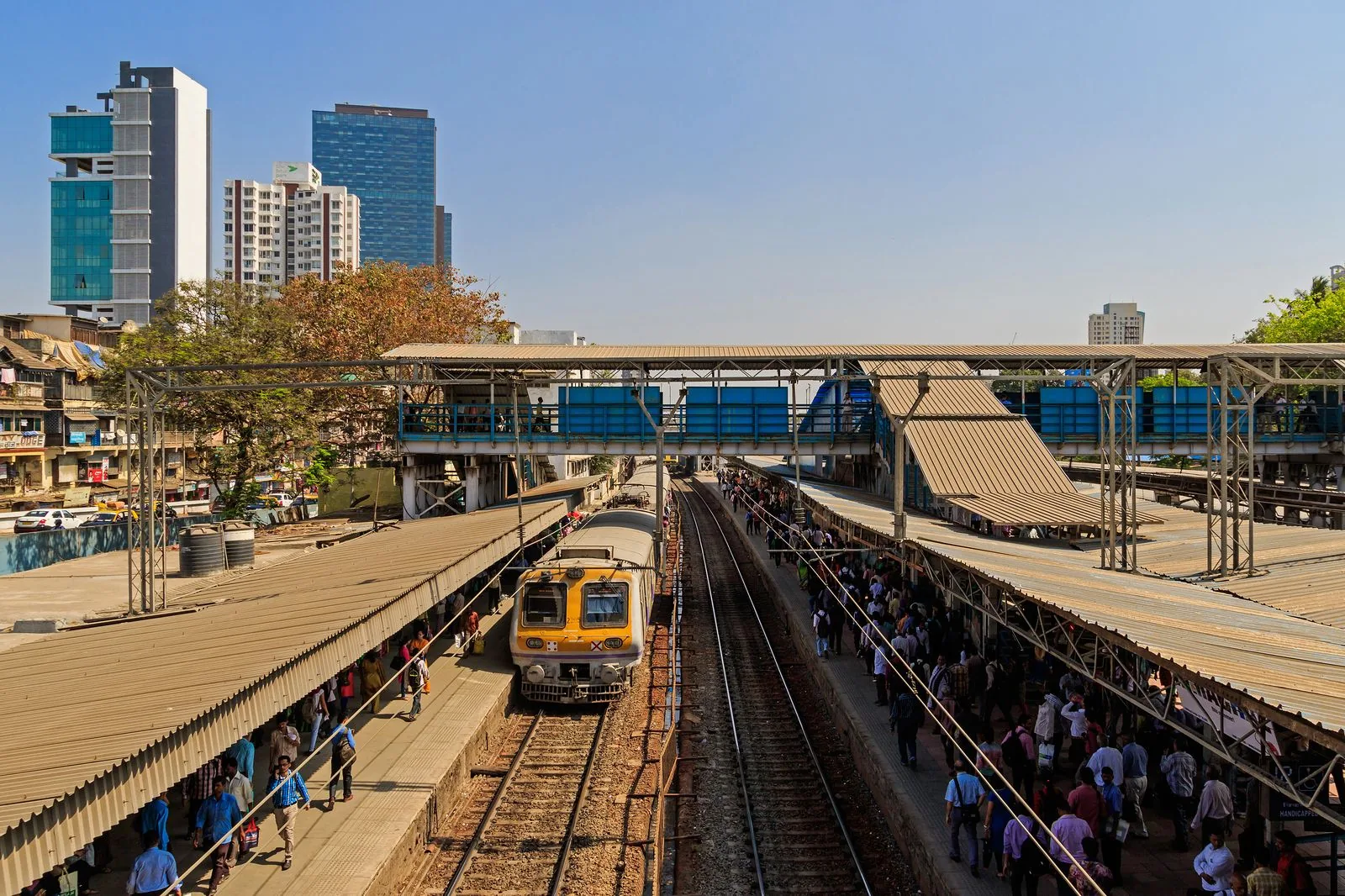
Kamathipura is by far the largest and most documented. Everything else on this list is smaller, less formal, and in most cases barely covered in any reliable source — which is itself worth saying plainly rather than papering over with invented detail.
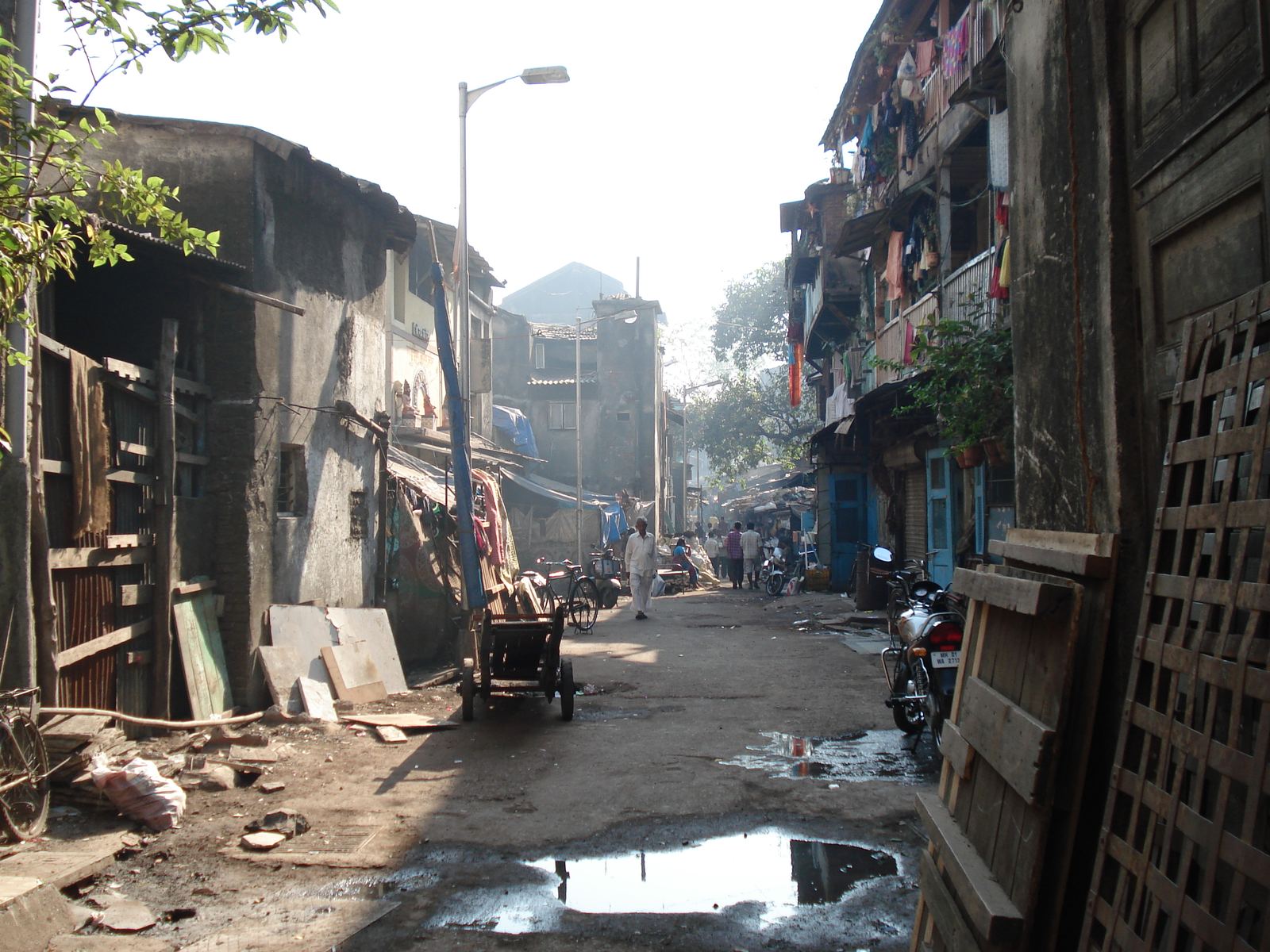 Hawk4256 / Wikimedia Commons, Public Domain01
The flagship and the oldest of the ten, founded around 1795. Still organised in its historical 14 lanes, though the character has changed — a mix of remaining brothels, ordinary tenement housing, and small manufacturing, with parts of the area under active municipal redevelopment and an estimated few hundred still working there today.
Became internationally known through photographer Mary Ellen Mark's late-1970s documentary series, which depicted barred, street-level display windows locally called "cages." Those cages have largely disappeared, a result of redevelopment and tighter law enforcement.
Grouped with Kamathipura in most historical accounts rather than treated as fully separate. Reporting describes women working there as having come from multiple Indian states as well as Nepal and Bangladesh, mirroring the same migration patterns.
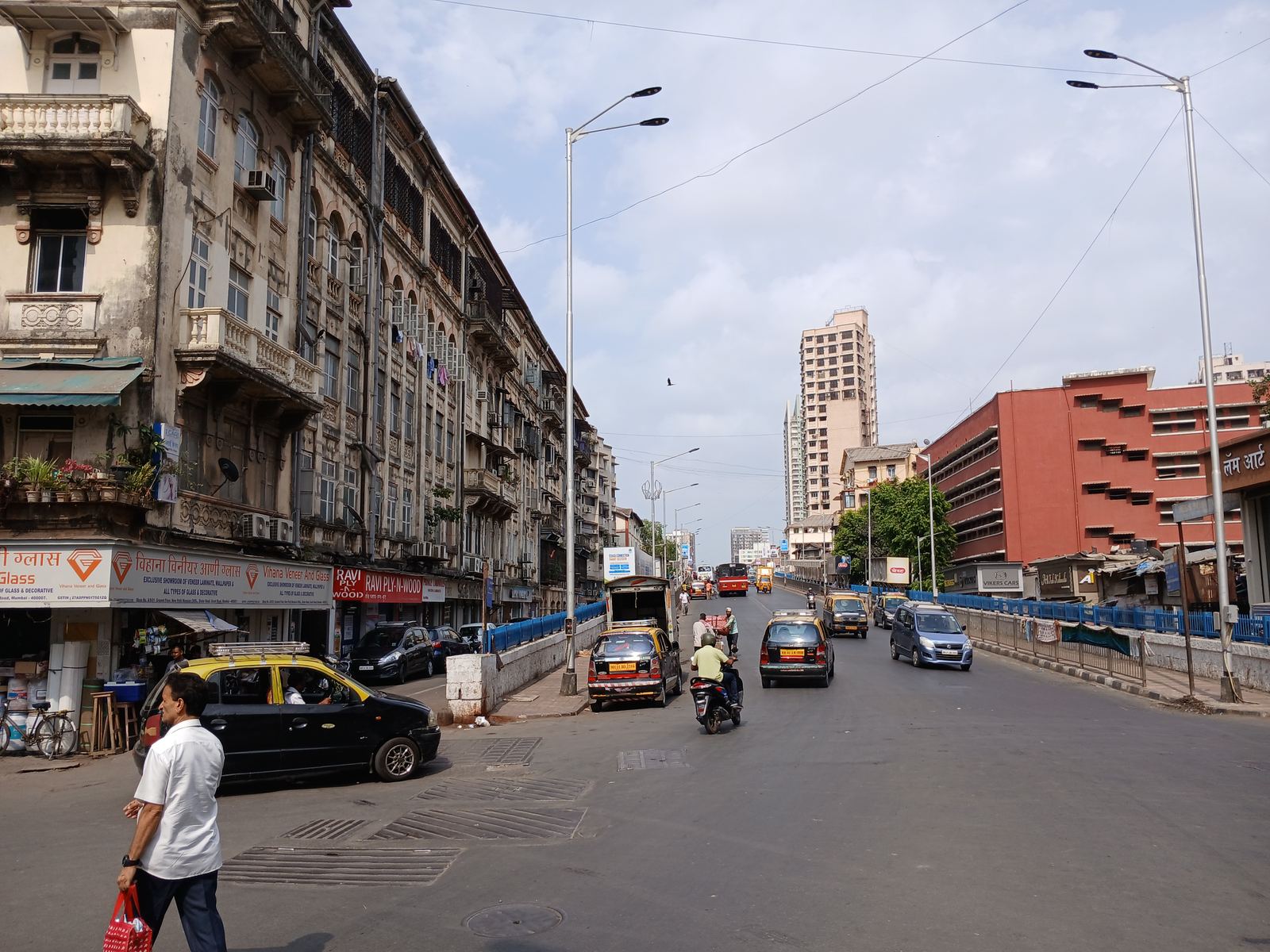 Shishirdasika / Wikimedia Commons, CC BY-SA 4.004
Functions more as the entry point into the Kamathipura area than a district in its own right. Multiple accounts describe it as increasingly commercial — shops and small businesses — rather than residential brothel activity.
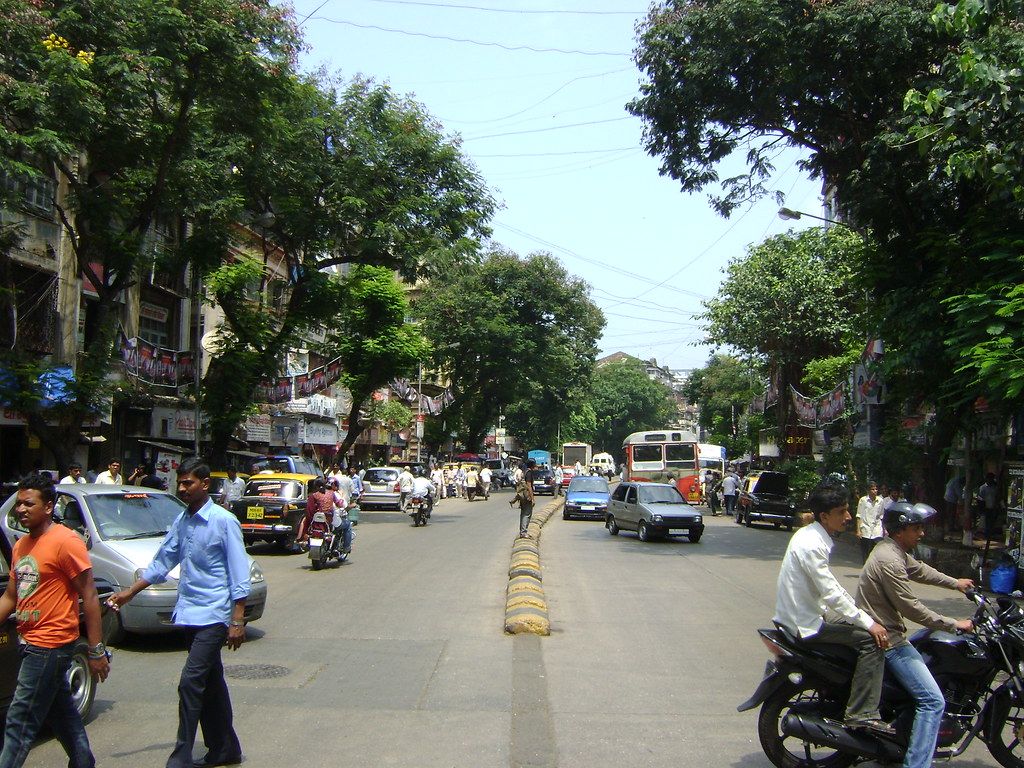 Playpower Foundation / Flickr, CC BY 2.005
A smaller, less documented pocket with a history tied to Mumbai's organised-crime era of the 1970s and '80s, when the wider Kamathipura-Grant Road belt was closely associated with the city's underworld.
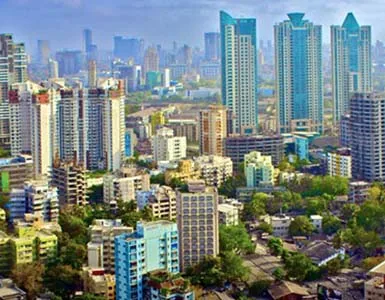 06
06The pocket most often mentioned when this topic comes up for Navi Mumbai specifically. Reporting describes it as small, scattered, and tied to the nearby MIDC industrial workforce — nothing resembling Kamathipura's scale or lane structure.
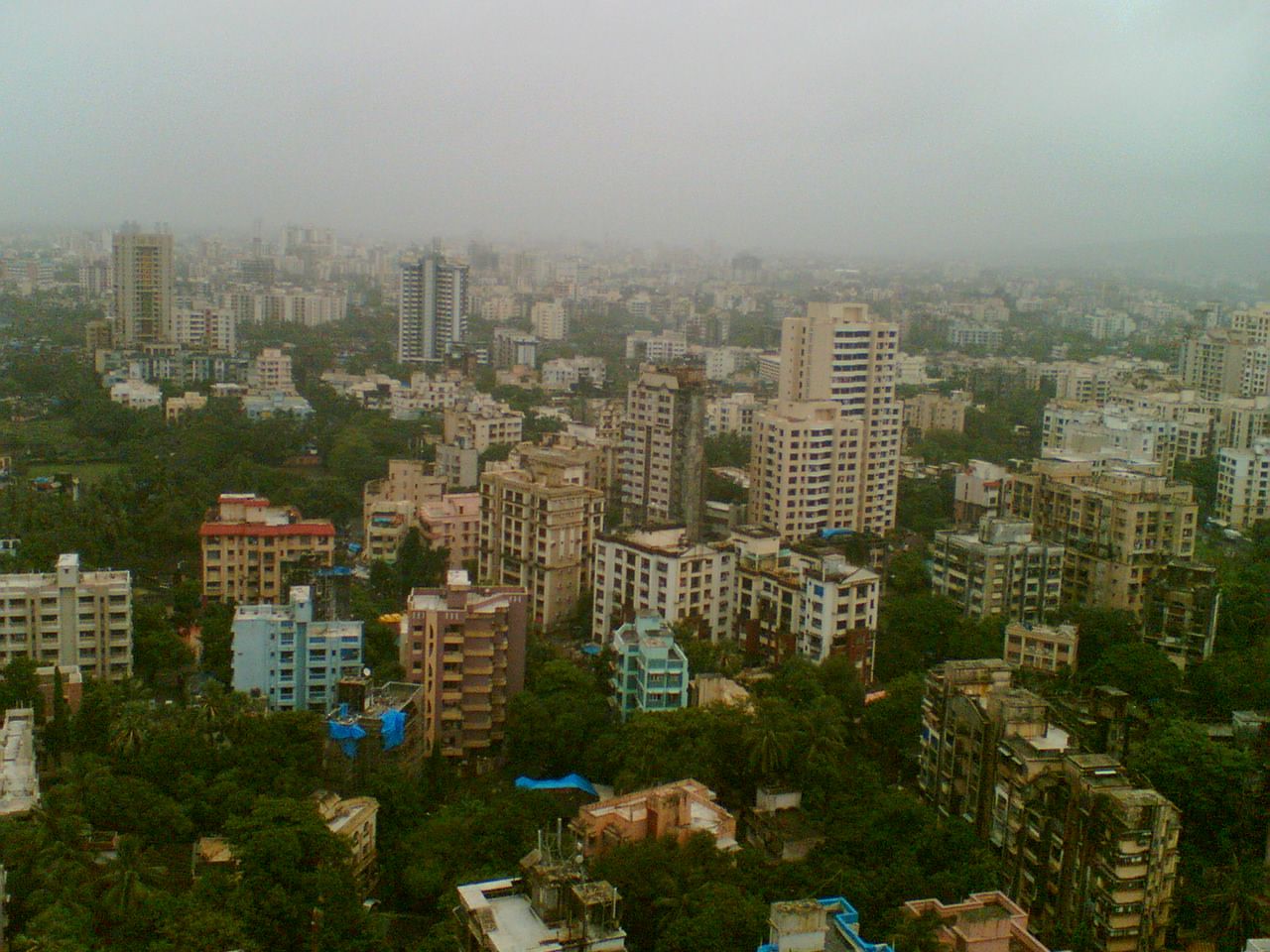 Kensplanet / Wikimedia Commons, Public Domain07
A smaller western-suburb pocket that comes up in general listings of the topic. Little reliable detail exists beyond that it's informal and far smaller in scale than Kamathipura.
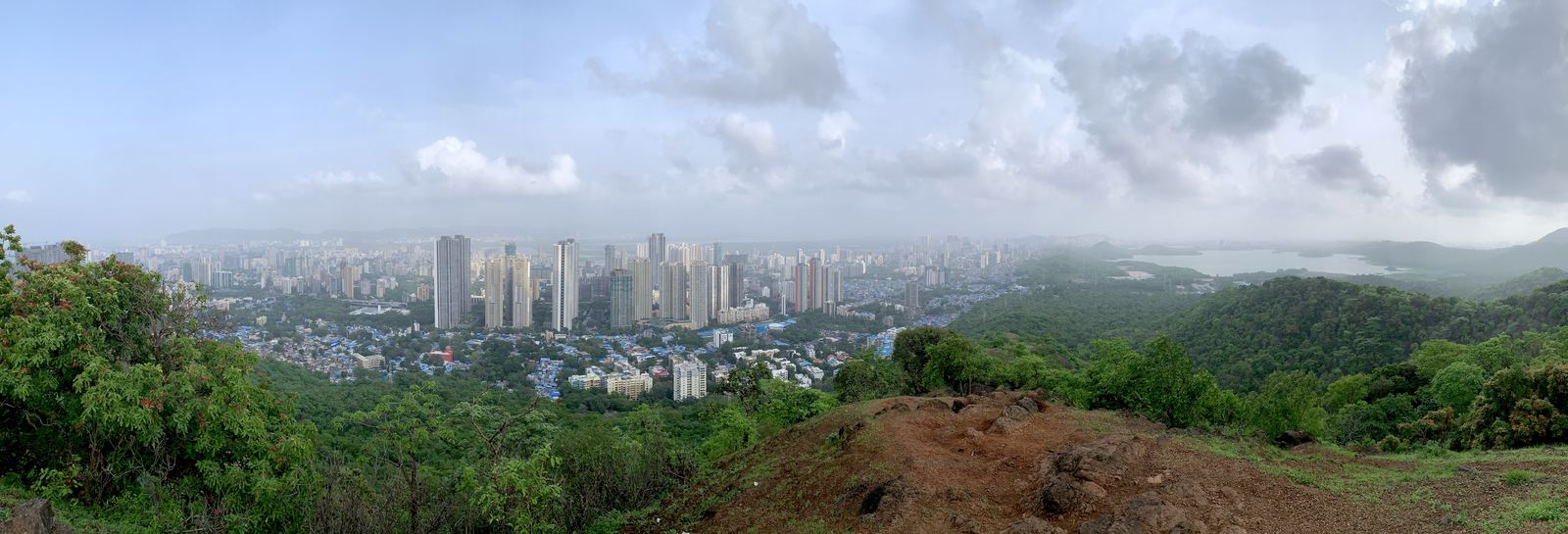 Planemad / Wikimedia Commons, CC BY-SA 4.008
Occasionally described in press coverage as a smaller satellite pocket in the city's eastern suburbs. As with Malad, documented detail is thin — worth naming honestly rather than padded out.
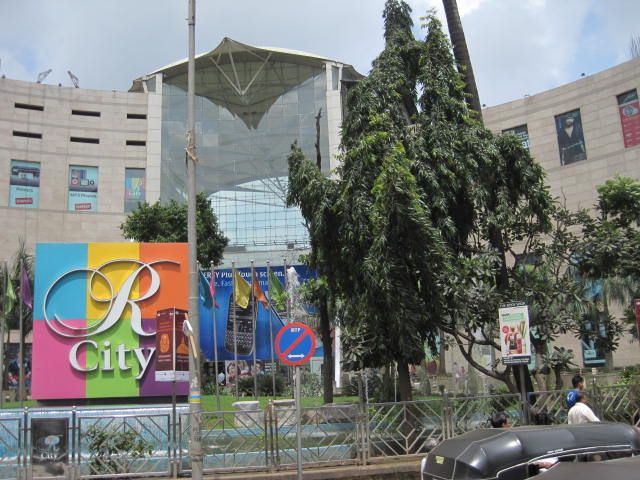 Prad2609 / Wikimedia Commons, CC BY-SA 3.009
A smaller pocket associated with the area near Ghatkopar station in press coverage. Again, this is a minor, loosely documented location rather than an established district.
 Trinidade / Wikimedia Commons, CC BY-SA 4.010
Described in multiple sources as a scattered, informal cluster near one of Mumbai's busiest transit junctions rather than a fixed neighbourhood — the least "district-like" entry on this list.
No directions, no addresses, nothing that functions as an invitation to go. That's deliberate.
Not tourist risk. Organisations like Prerana work in the area specifically because of this.
Kamathipura and its neighbouring lanes are dense, low-income parts of a large city, with the safety considerations that come with any similar neighbourhood — narrow lanes, uneven lighting, and a visible, sometimes uncomfortable police presence. There's no specific reason a passerby would be targeted. That said, this piece isn't written as an invitation to go, and it deliberately leaves out directions, addresses, and any detail that would function as a visiting guide.
The more important safety reality isn't about a visitor at all. Kamathipura's history is inseparable from trafficking — a significant share of the women who ended up working there over the decades did not choose it, and many entered while still minors. Organisations including Prerana and Apne Aap Women Worldwide have worked in the area for years specifically because of this, focused on rescue, rehabilitation, and support for the children born there. If you have a genuine, professional reason to be in the area — journalism, research, NGO work — going through an established organisation is the sensible route, not going alone.
To be clear about what this risk actually is: it's coercion, not sex work. A woman choosing to do this work independently, as an adult, on her own terms — the way any independent escort does — isn't the problem this section is describing. The problem is being forced into it by someone else, which is exactly what trafficking is.
SelectYourGirl connects you with real, independent escorts in Mumbai — adult professionals working on their own terms, ID-checked, with rates published upfront. No street-level risk, no guesswork. WhatsApp the coordinator, or see who's available.
